
In short: we have placed over ₹100 crore of franchise investment across India and the GCC, including five Limelight Diamonds closures in three months, four Wondr Diamonds partners at ₹3–4 crore each, and Avira Diamonds taken from no franchise structure at all to six Indian stores and one in Dubai. Below is how that work is actually done.
Few jewellery brands begin with a franchise vision. Some start as a single strong showroom, some grow into a handful of company-owned stores, some are new entrants in lab-grown diamonds. The question arrives at the same point for all of them: how do we scale beyond our own capital, without handing the brand to people who will damage it?
Jewellery makes that question harder than most categories. The ticket sizes are large enough that a franchisee is making a serious capital decision, inventory is high-value and needs real controls, and the sale itself is consultative — which means store staff capability is not a detail, it is the product. Brands that franchise jewellery the way they would franchise a food outlet tend to find out slowly and expensively.
The three case studies that follow are ours, with the figures we worked to. The methodology behind them is set out separately in our guide to turning a retail business into a multi-store franchise network.
Limelight Diamonds: 5 High-Value Closures in 3 Months
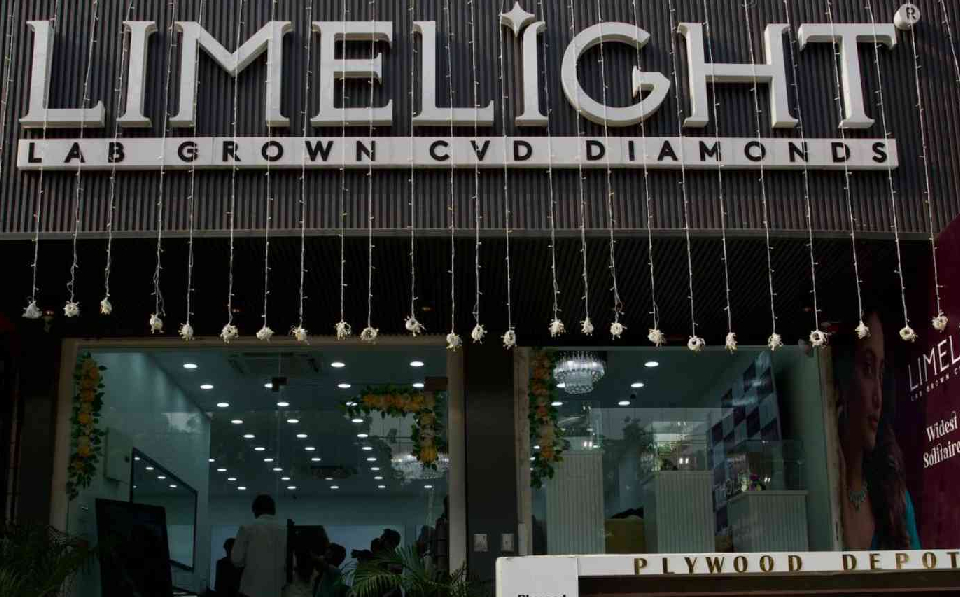
With Limelight Diamonds, the objective was to shift from brand visibility to structured franchise expansion. The brand’s full investment profile is covered in our guide to the Limelight Diamonds franchise.
The result, within three months: five new high-value franchise stores closed, with further franchises activated and scheduled to launch.
What changed was not the brand — Limelight was already visible. What changed was the process sitting behind the enquiries:
- Investment positioning stated clearly — what the opportunity costs, what it returns, and who it suits, written down rather than explained differently in each conversation
- Digital investor filtration, so capital-ready candidates were separated from browsers before anyone’s time was spent
- A structured qualification system applying the same criteria to every candidate — capital, territory, availability and operating intent
- A defined evaluation and closing process with known stages, rather than negotiations that drift
Most brands lose high-value franchise deals in the gap between interest and signature, where scattered conversations and informal negotiation loops let a serious investor cool. Closing speed in this category is a process problem far more often than a demand problem.
Wondr Diamonds: 4 Closures at ₹3–4 Crore Each
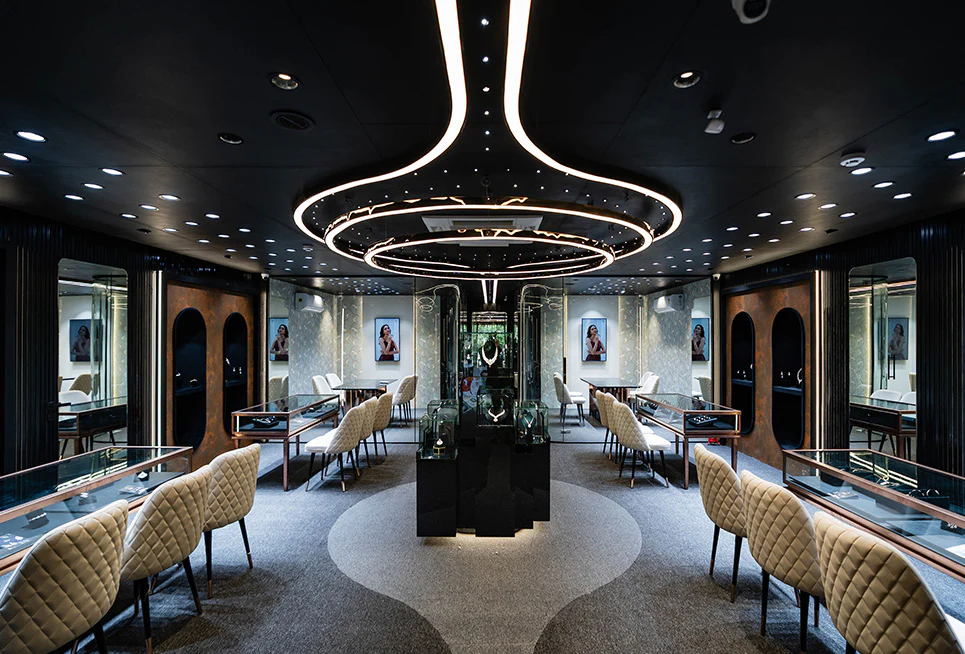
For Wondr Diamonds we closed four high-ticket franchise partners, each committing between ₹3 and ₹4 crore. That is a different sale from a ₹20 lakh food outlet, and it behaves differently at every stage.
At this ticket size the investor is usually an established businessperson deploying serious capital, and they evaluate accordingly — slowly, with advisers, and against alternatives that are not franchises at all. What they test:
- Return visibility — not a projection, but how the number was arrived at and what happens if the store underperforms
- Brand credibility that will survive their own due diligence, including conversations with existing franchisees
- Operational systems they can inspect, because at this level they are buying a system rather than an idea
- Long-term scalability — whether a second and third store is realistic, since multi-unit intent is common at this ticket
Hesitation at this level is rarely about price. It is about unanswered questions, and every unanswered question extends the decision. Structured positioning — where the answers exist before they are asked — is what shortens it.
Structured positioning reduced hesitation — and accelerated decision-making. Wondr is one of the brands we assess in our comparison of the top 5 lab grown diamond franchise opportunities in India.
Avira Diamonds: From Zero to 7 Stores Including Dubai
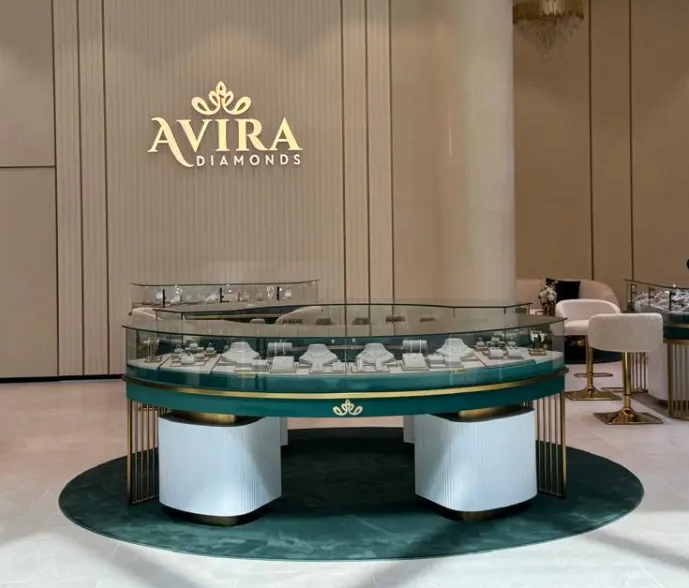
Avira Diamonds began with none of the usual starting points — no expansion blueprint, no franchise structure, no national presence. This was not a franchise development engagement bolted onto an established brand. It was building the brand and the network together.
That meant working across the whole ecosystem rather than just the franchise sale:
- Brand building and positioning from first principles
- PR activity and celebrity-led launches to establish recognition quickly
- Franchise events and expo presence to reach investors directly
- Digital communications and a structured investor pipeline
- Franchise presentation material that answered the financial questions before they were asked
The outcome over 40 months: six franchise stores launched across India, and one international franchise store in Dubai.
The timeline matters as much as the number. Forty months is not fast, and it should not be — a brand with no recognition cannot credibly sell territory rights in its first year. The sequence was recognition first, then structure, then investors. Reversing that order is the most common way new jewellery brands burn their early franchisees, and it is the reason we will tell an early-stage brand to wait.
The Dubai store is the part most Indian jewellery brands ask about. GCC expansion brings its own requirements — local partner structures, different consumer expectations, and regulation that does not resemble India’s. Our guide to choosing a master franchise partner abroad covers how to structure that without losing control of the brand.
For Lab-Grown Diamond Startups
The lab-grown diamond market is expanding rapidly across India and GCC — our complete guide to the lab grown diamond franchise in India covers the category in depth.
Entering the segment takes more than sourcing inventory. Lab-grown is a category where supply is comparatively easy to secure and consumer trust is not, which means the work sits in positioning and retail execution rather than procurement.
The sequence we run with early-stage brands:
- Brand positioning — what the brand stands for against both mined-diamond incumbents and the other lab-grown entrants arriving at the same time
- Retail strategy — format, catchment and store experience, which in this category carries more weight than price
- Profitability framework — unit economics that hold at realistic footfall, not at launch-month footfall
- Store stabilisation — running company-owned outlets until performance is consistent and explainable
- Franchise readiness — documentation, trademark, agreement and support capacity before any territory is offered
Stages four and five usually take several months to a year, and that wait is the point. A lab-grown startup that franchises before its own stores are stable is asking franchisees to fund the learning curve — which is exactly how a young brand acquires its first set of unhappy partners and the reference calls that follow.
How We Build Scalable Jewellery Networks
Across all three cases the pathway is the same six stages, run in order. Brands get into trouble by starting at stage five.
| Stage | What it settles |
|---|---|
| 1. Brand foundation | Positioning, identity and recognition — what a franchisee is actually licensing |
| 2. Business model clarity | Unit economics that hold in more than one catchment, and fee structure that leaves both sides a return |
| 3. Store standardisation | SOPs, layout, inventory controls and training — the system that transfers |
| 4. Franchise architecture | Agreement, territory definition, trademark registration, support structure |
| 5. Structured investor acquisition | Filtration, qualification and a defined closing process |
| 6. Territory-level scale | Multi-city rollout across India and the GCC, with governance that holds as the network grows |
The phasing is what protects brand value. Each stage makes the next one cheaper and the eventual network more durable — and a brand that skips stages three and four to reach investors faster will spend the following two years managing the consequences.
Ready to Build Beyond Your Own Stores?
This work suits a legacy brand running company-owned stores, a retailer considering franchising for the first time, a lab-grown diamond startup finding its footing, or a promoter planning India and GCC expansion together. The starting point is the same in each case: an honest read on which of the six stages you are actually at.
A consultation covers brand stage, business readiness, franchise potential, investment positioning and the realistic expansion roadmap. If you are early-stage we will say so and tell you what to fix first — that answer is more useful than a roadmap you are not ready to run.
📞 WhatsApp or call +91 63819 37457
If you would rather start with a structured assessment, our Franchise Readiness Audit returns a readiness score, gap report, unit economics check and a 90-day roadmap in 5–7 working days.
Frequently Asked Questions
Can a jewellery brand be franchised in India?
Yes, and both legacy jewellers and lab-grown diamond brands have expanded this way. The category does carry requirements most retail franchising does not: high-value inventory needs audit rights and insurance written into the agreement, store experience is a larger part of the product, and consultative selling has to be a trainable system rather than a hired skill. Brands that treat those as contractual terms rather than assumptions scale well.
What do jewellery franchise partners typically invest?
Considerably more than most retail categories. Across the deals we have closed, lab-grown diamond franchise partners have committed in the range of ₹3–4 crore per store, and premium jewellery formats sit at similar levels. That ticket size changes who the investor is — typically an established businessperson deploying serious capital, evaluating with advisers and against non-franchise alternatives.
How long does it take to build a jewellery franchise network?
It depends entirely on where the brand starts. An established brand with proven stores and documented operations can begin closing franchises within months — Limelight Diamonds reached five closures in three months. A brand built from scratch takes far longer: Avira Diamonds reached six Indian stores and one in Dubai over 40 months, because recognition had to be built before territory could credibly be sold.
Can an Indian jewellery brand expand into the GCC?
Yes, and the Indian diaspora across the Gulf makes it a natural second market for jewellery specifically. The structure differs from Indian expansion: local partner requirements, different consumer expectations, and regulation that does not resemble India’s. Most brands enter through a master or country partner rather than appointing individual outlets, which makes partner selection the highest-stakes decision in the whole move.
When is a lab-grown diamond startup ready to franchise?
Once its own stores perform consistently and the reasons are explainable — usually several months to a year of stable trading, not a strong launch quarter. The temptation is to franchise early because capital is tight and interest is high. A startup that does this is asking franchisees to fund its learning curve, and the resulting reference calls follow the brand for years.