
Why Indo Chinese Franchises Are Growing in India
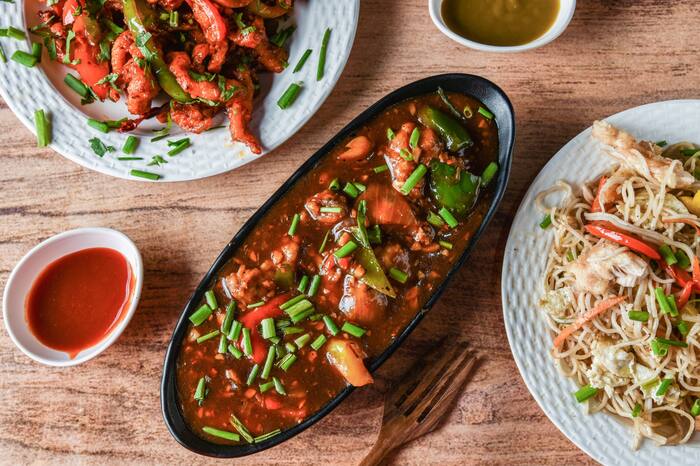
The Indian food industry continues to expand as consumers increasingly prefer quick-service and takeaway dining options. Among various cuisine categories, Indo-Chinese food has built a strong customer base because of its affordability, wide menu appeal, and suitability for delivery platforms. Dishes such as noodles, fried rice, Manchurian, and momos are popular across age groups, making the category less dependent on seasonal demand. This consistent demand has encouraged entrepreneurs to explore franchise opportunities instead of building independent restaurant brands from scratch. The scale involved is substantial — we size it in our analysis of the ₹22,000 crore Indo-Chinese QSR franchise opportunity.
Key reasons for growth:
- Strong customer demand across cities
- High repeat order potential
- Delivery-friendly menu
- Affordable operating model
- Suitable for Tier-1 and Tier-2 markets
How Much Investment Is Required for an Indo Chinese Franchise?
Investment requirements vary depending on the brand, city, and outlet format. Most franchise investors should evaluate not only the upfront cost but also the support provided by the franchisor. A structured franchise model can reduce setup challenges and accelerate market entry. The ideal investment range usually includes outlet setup, kitchen equipment, branding, training, and working capital. Investors should also consider location quality and long-term scalability before making a decision.
Typical investment components include:
- Franchise rights and onboarding
- Interior and kitchen setup
- Equipment and technology systems
- Initial marketing expenses
- Working capital for operations
| Investment Component | Purpose |
|---|---|
| Franchise Rights | Brand access and operational support |
| Interior Setup | Store design and customer-facing areas |
| Kitchen Equipment | Cooking and food preparation equipment |
| Branding Materials | Signage and promotional elements |
| Staff Training | Initial onboarding and training |
| Technology Systems | Billing and operational software |
| Working Capital | Initial operational expenses |
Indo Chinese Franchise Restaurant for New Entrepreneurs
Starting a restaurant business can be challenging for first-time entrepreneurs due to the complexities involved in setup, operations, staffing, and marketing. Many new business owners struggle with selecting the right location, managing food costs, recruiting employees, and establishing a customer base. A franchise model helps simplify these challenges by providing a proven framework and ongoing operational guidance.
For new entrepreneurs, an Indo Chinese franchise restaurant offers the opportunity to enter the food industry with structured support and a recognized brand. If this is your first venture, our franchise guide for first-time investors in India walks through what to expect. Instead of building processes from the ground up, franchise partners can focus on day-to-day operations and business growth. This makes franchising an attractive option for individuals seeking a lower-risk entry into the restaurant sector.
Benefits for new entrepreneurs include:
- Proven business model
- Brand recognition from day one
- Training and operational support
- Assistance with outlet setup
- Faster business launch
What Makes the Takeaway Franchise Model Profitable?
Consumer behavior has changed significantly over the last few years, with takeaway and delivery becoming major revenue drivers. A takeaway-focused restaurant generally requires less space, fewer employees, and lower operating expenses than a traditional dine-in restaurant. This allows franchise owners to focus on efficiency and order volume rather than maintaining large seating areas. As food delivery adoption continues to grow, compact restaurant formats are becoming increasingly attractive to investors.
Advantages of the takeaway model:
- Lower rental expenses
- Reduced manpower requirements
- Faster operational management
- Better delivery efficiency
- Easier multi-location expansion
What Should Investors Look for in a Franchise Brand?
Not every franchise opportunity offers the same level of support. Investors should carefully evaluate the franchisor’s experience, operational systems, and expansion track record — our franchise due diligence framework sets out how to verify what a franchisor tells you. A strong franchise brand should help partners with location selection, outlet setup, staff training, and ongoing operational guidance. The goal is to minimize risk while creating a repeatable business model that can perform consistently across different markets.
Important factors to evaluate:
- Brand reputation and customer demand
- Training and operational support
- Store setup assistance
- Marketing support
- Scalability and expansion potential
Why Entrepreneurs Are Considering Red Box Franchise Opportunities
Red Box has adopted a franchise expansion model since 2018 and has established its presence across multiple South Indian markets. Our full breakdown of Redbox franchise cost, investment and ROI in India covers the numbers in detail. The brand follows a compact takeaway format designed for operational efficiency and modern food consumption trends. One of the notable advantages of the model is that the outlet setup is handled by the company before being handed over to the franchise partner. This approach helps simplify the launch process and allows entrepreneurs to focus on business growth from day one.
Highlights of the Red Box model:
- Franchise model operational since 2018
- Presence across multiple South Indian cities
- Investment starting from ₹30 lakhs
- Typical outlet size of 600–800 sq. ft.
- Staff support during launch and handover
Understanding ROI and Long-Term Growth Potential
Return on investment is one of the most important considerations when evaluating any food franchise opportunity. While actual results depend on factors such as location, operations, and market demand, investors generally prefer concepts that combine manageable investment levels with scalable growth opportunities. A franchise model with strong operational systems, growing brand recognition, and efficient outlet formats often provides a stronger foundation for sustainable business performance.
Factors influencing ROI include:
- Location quality
- Customer footfall and delivery demand
- Operational efficiency
- Cost control measures
- Brand support and marketing
Conclusion
An Indo Chinese franchise can be an attractive business opportunity for entrepreneurs looking to enter the food service industry through a structured and scalable model. With growing consumer demand, strong delivery potential, and efficient outlet formats, the segment continues to attract investors across India. When evaluating opportunities, focus on brand support, investment requirements, operational efficiency, and long-term growth potential rather than upfront costs alone.