
Tier 2 and Tier 3 cities in India are no longer limited to traditional food habits. With increased exposure through social media, food delivery apps, and migration from metros, consumer expectations in small cities have evolved rapidly. People now look for consistency, hygiene, and brand familiarity when choosing where to eat.
However, success in these markets depends heavily on choosing the right food category. Selecting the best food franchise categories for tier 2 and tier 3 cities ensures steady demand, manageable costs, and long-term sustainability.
Why category selection matters in small cities:
- Consumers prefer familiarity over experimentation
- Spending power is growing but still value-driven
- Operational efficiency impacts profitability faster
Quick-Service Restaurant (QSR) Franchises
Quick-service restaurants are one of the most reliable food franchise formats in non-metro cities. These brands focus on fast preparation, affordable pricing, and high repeat consumption, which aligns well with small-city consumer behavior.
QSRs work especially well in areas with regular footfall such as markets, near offices, or educational zones. Their simplified menus and quick turnaround help control operating costs.
Why QSR franchises perform well:
- Lower average order value encourages frequent visits
- Faster service suits busy daily routines
- Easy-to-train staff and standardised operations
Tea, Coffee, and Beverage Franchises
Beverage franchises have seen rapid growth in Tier 2 and Tier 3 cities due to India’s strong tea-drinking culture and rising café habits among young consumers. These outlets often become social gathering points rather than just food businesses.
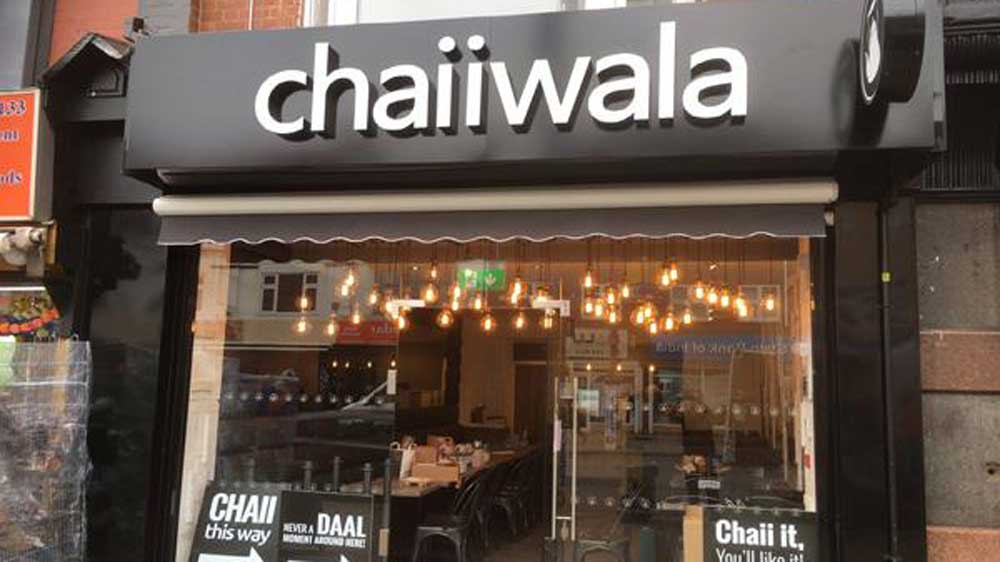
Because beverage franchises require limited kitchen infrastructure, they are often preferred by first-time investors exploring low investment food franchise opportunities in small cities.
Key reasons beverage franchises succeed:
- High repeat customer behaviour
- Lower setup and operating costs
- Strong demand across age groups
Snack and Street-Food Style Franchises
Snack-based food franchises bridge the gap between local taste preferences and organised food formats. Concepts offering momos, rolls, chaat, or fusion snacks resonate strongly with small-city audiences.
These franchises perform well during evening hours and weekends, making them ideal for compact locations with consistent footfall.

Why snack franchises work in small towns:
- Familiar flavours with a branded touch
- Affordable pricing for mass appeal
- High impulse-buy potential
Bakery and Dessert Franchises
Bakery and dessert franchises are gaining traction as celebration culture grows in smaller cities. Cakes, pastries, and desserts are no longer limited to special occasions and have become regular purchases.
This category also attracts investors comparing a Food Franchise vs Own Restaurant in Small Cities, as bakeries generally involve simpler operations than full-service restaurants.

Growth drivers for this category:
- Increasing demand for birthday and event cakes
- Strong takeaway and delivery potential
- Lower dependency on prime dine-in locations
Regional and Indian Food Franchises
Indian food franchises remain one of the most stable options in Tier 2 and Tier 3 cities. Concepts serving thalis, South Indian meals, or regional cuisines benefit from familiarity and trust.
Families and working professionals prefer reliable Indian meals for daily dining, making this category less vulnerable to changing trends.
Why Indian food franchises succeed:
- Strong cultural acceptance
- Consistent daily demand
- Higher family and group footfall
How to Choose the Right Category for Your City
Choosing the right food franchise category is not about trends—it’s about city-level demand and execution capability. A concept that works in one city may fail in another if local preferences differ.
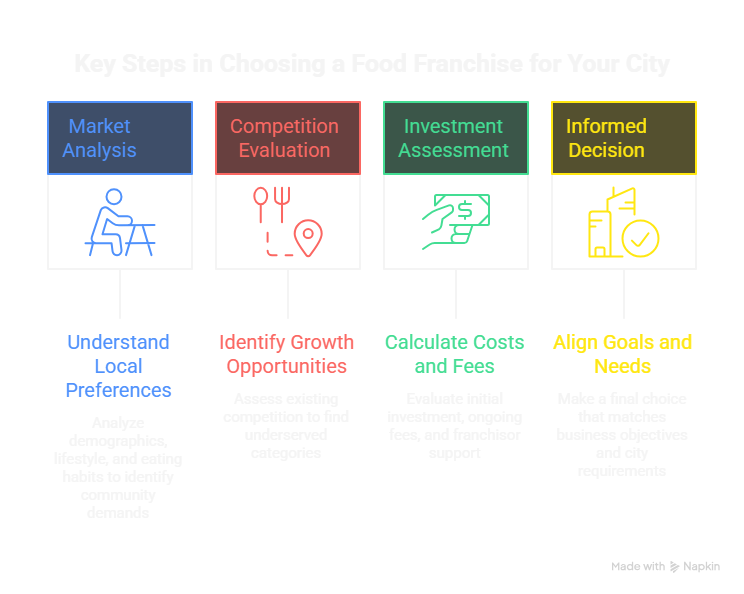
Evaluating these factors early helps avoid issues highlighted in common mistakes to avoid when buying a food franchise
Key factors to evaluate:
- Local food habits and spending capacity
- Competition intensity in the area
- Footfall availability and location type
- Your investment and involvement level
Expert Insight on Category–City Fit
Industry experts consistently point out that franchise success depends on how well the business model aligns with the city’s maturity level. As explained in this article on whether franchising works better in certain cities, understanding city dynamics is essential before choosing any food category.
How CorpCulture Helps Identify the Right Franchise Category
Many entrepreneurs fail not because of lack of effort, but due to wrong category selection. CorpCulture focuses on matching the right franchise category to the right city using data-backed insights.
Through its Franchise Culture approach, CorpCulture supports investors with:
- City-specific demand analysis
- Budget-aligned category recommendations
- Risk and scalability evaluation
Conclusion
Tier 2 and Tier 3 cities offer strong opportunities for food franchise businesses—but success depends on choosing the right category. From QSRs and beverage kiosks to Indian food and bakeries, the winning formula lies in affordability, familiarity, and operational simplicity.
Selecting the best food franchise categories for tier 2 and tier 3 cities is the first step toward building a profitable and sustainable food business in small-town India.