
Starting a food business in a small city is appealing, but choosing the right business model is critical. Entrepreneurs often struggle to decide between a food franchise and launching an independent restaurant. With rising incomes and aspirational consumers in Tier 2 and Tier 3 cities, both options look attractive—but they come with very different risks.
Understanding the difference between a food franchise vs own restaurant in small cities helps investors avoid costly mistakes and choose a model aligned with their experience and budget.
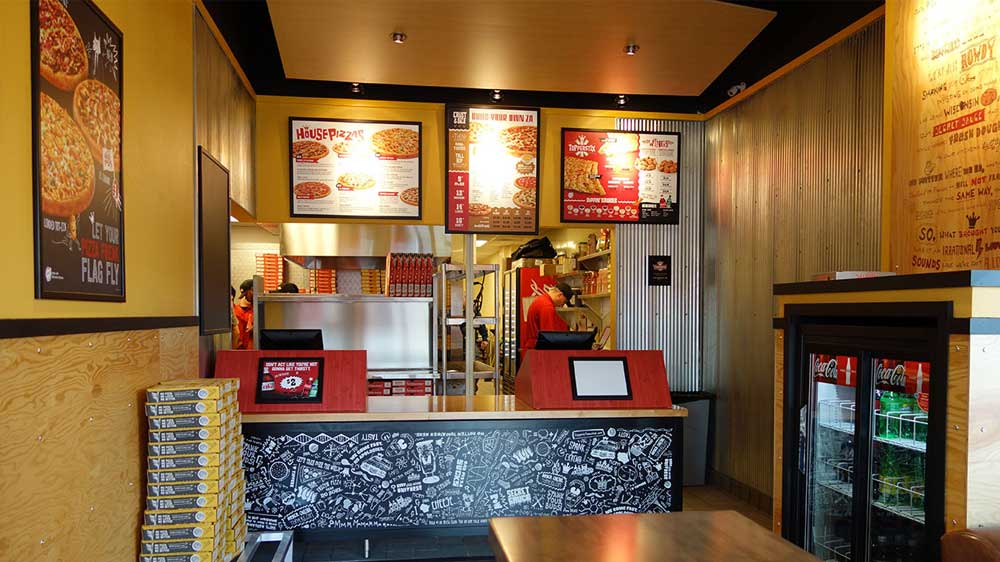
Key points to consider upfront:
- Small cities offer lower operating costs but limited margin for error
- Brand trust plays a bigger role than experimentation
- Early decisions strongly impact break-even timelines
Understanding the Two Business Models
Before comparing outcomes, it’s important to understand how both models function in practice.
Food franchise model includes:
- Operating under an established brand name
- Standardised menu, pricing, and systems
- Training and ongoing operational support
Independent restaurant model includes:
- Complete creative and operational freedom
- Full responsibility for branding and marketing
- Higher experimentation and learning curve
Both models can succeed—but suitability varies greatly in small-city environments.
Initial Investment and Cost Comparison
Budget planning is often the deciding factor for small-city entrepreneurs. Franchises offer clearer cost structures, while independent restaurants may involve unpredictable expenses.

Food franchise cost advantages:
- Pre-defined investment range
- Lower trial-and-error expenses
- Faster setup timelines
Independent restaurant cost challenges:
- Branding and menu development costs
- Higher marketing spend initially
- Risk of cost overruns
If affordability is a priority, exploring low investment food franchise opportunities in small cities often provides better financial clarity.
Risk Factor and Business Stability
Risk management becomes crucial in small cities, where customer bases are smaller and recovery from mistakes takes longer.
Food franchise risk profile:
- Proven business model
- Tested menu and pricing
- Reduced operational uncertainty
Own restaurant risk profile:
- Unpredictable customer acceptance
- Dependence on personal experience
- Longer stabilisation period
This difference explains why many first-time investors prefer franchises when comparing a food franchise vs own restaurant in small cities.
Brand Recognition and Customer Trust
In small towns, trust builds slowly—but spreads quickly once earned.
Food franchise advantages:
- Pre-existing brand recall
- Faster customer adoption
- Easier word-of-mouth growth
Independent restaurant challenges:
- Requires consistent quality over time
- Slower trust-building phase
- Higher early marketing effort
Brand recognition often shortens the time needed to achieve steady footfall.
Operational Support and Training
Operational mistakes are expensive—especially when margins are tight.
Franchise support typically includes:
- Staff training programs
- Standard operating procedures
- Marketing and launch guidance
Independent restaurant reality:
- Self-learning through trial and error
- Limited external support
- Higher dependency on owner involvement
This is why understanding common mistakes to avoid when buying a food franchise becomes important before deciding.
Profitability and Break-Even Timeline
Profitability depends on execution, but timelines vary widely between the two models.
Food franchise expectations:
- Structured revenue model
- Break-even in 12–24 months (on average)
- Predictable operating margins
Independent restaurant expectations:
- Potentially higher margins long-term
- Longer break-even period
- Higher income volatility
For realistic numbers, reviewing how much you can earn from a food franchise in a small city helps set proper expectations.
Scalability and Long-Term Growth
Many entrepreneurs aim to expand beyond one outlet.
Franchise scalability benefits:
- Replicable systems
- Easier multi-unit expansion
- Brand-led growth
Independent restaurant limitations:
- Manual system replication
- Quality consistency challenges
- Higher expansion risk
Scalability often becomes the deciding factor for long-term planners.
Which Option Is Better for Small Cities?
The right choice depends on experience, capital, and risk appetite.
Food franchise is better suited for:
- First-time entrepreneurs
- Salaried professionals
- Investors seeking lower risk
Own restaurant is better suited for:
- Experienced restaurateurs
- Strong local market understanding
- Creative culinary entrepreneurs
In small towns, structured models usually outperform experimental ones.
Expert Insight on City Selection
Experts consistently highlight that location maturity strongly impacts business success. As discussed in this article on whether franchising works better in certain cities, business models aligned with city dynamics perform better—especially in Tier 2 and Tier 3 India.
(Source: iamronak.com)
How CorpCulture Helps You Decide the Right Model
CorpCulture helps entrepreneurs make data-backed decisions instead of emotional ones.
Support includes:
- City feasibility analysis
- Budget-to-brand matching
- Risk evaluation and guidance
Through its Franchise Culture approach, CorpCulture ensures investors choose a model suited to their city and long-term goals.
Conclusion
Choosing between a food franchise and starting your own restaurant is not about trends—it’s about fit. In small cities, where trust, support, and cost control matter most, food franchises often provide a safer entry point.
Making the right decision early can save years of financial and operational stress.