
Understanding how to apply for a food franchise is a crucial step for first-time investors planning to enter the food business. For professionals aged 34–50—employees, investors, and business owners—this process can feel overwhelming due to paperwork, brand evaluations, cost analysis, and location decisions. Without the right guidance, many investors choose the wrong franchise or face delays that increase costs. This step-by-step guide simplifies the food franchise application process and explains how expert franchise consultants can help you make profitable decisions from day one.
Step 1: Define Your Investment Budget and Business Goals
Before applying for a food franchise, clarity on budget and expectations is essential. Many first-time investors focus only on entry cost, but long-term sustainability depends on aligning investment size with lifestyle goals, involvement level, and growth plans.
Before applying for a food franchise, clarity on budget and expectations is essential. Many first-time investors focus only on entry cost, but long-term sustainability depends on aligning investment size with lifestyle goals, involvement level, and growth plans.
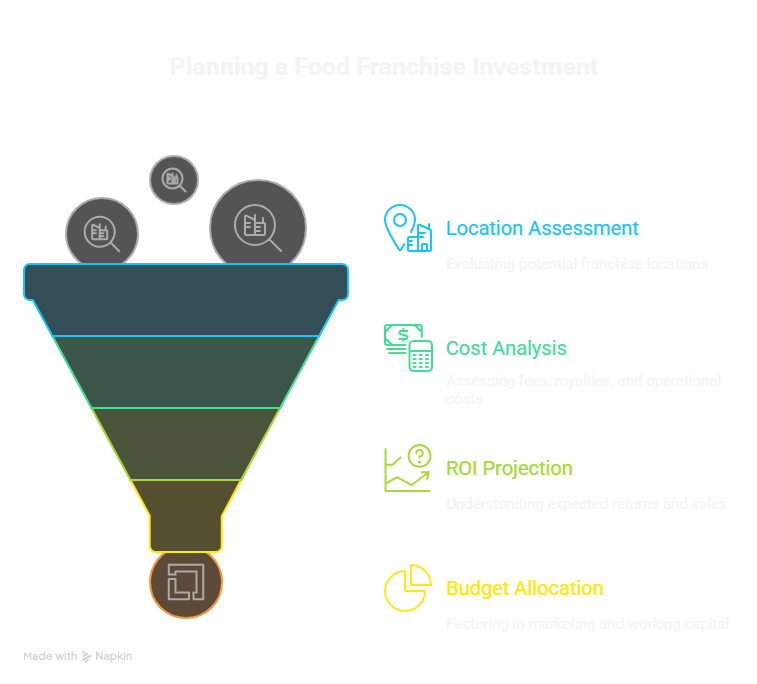
This self-assessment stage ensures you shortlist franchises that fit your financial comfort and risk appetite, rather than being influenced by brand hype.
- Total investment capacity
- Preferred involvement (active or semi-passive)
- Short-term income vs long-term growth
➡️ What Does It Cost to Open a Food Franchise? A Beginner’s Breakdown
Step 2: Choose the Right Food Franchise Model
Once your budget is defined, the next step is selecting a franchise model that suits your experience and availability. Fast food, fast casual, and QSR models operate differently and require varying levels of involvement.
First-time franchisees benefit most from models with standardized systems, limited menus, and strong franchisor support.
- Fast food for simplicity and speed
- Fast casual for premium positioning
- QSR for scalability and structured growt

Step 3: Shortlist Profitable and Verified Franchise Brands
This is where most new investors struggle. With hundreds of food franchise brands in the market, identifying profitable and reliable options requires market understanding and due diligence.
Rather than applying randomly, investors should shortlist brands based on unit economics, support systems, and regional demand.
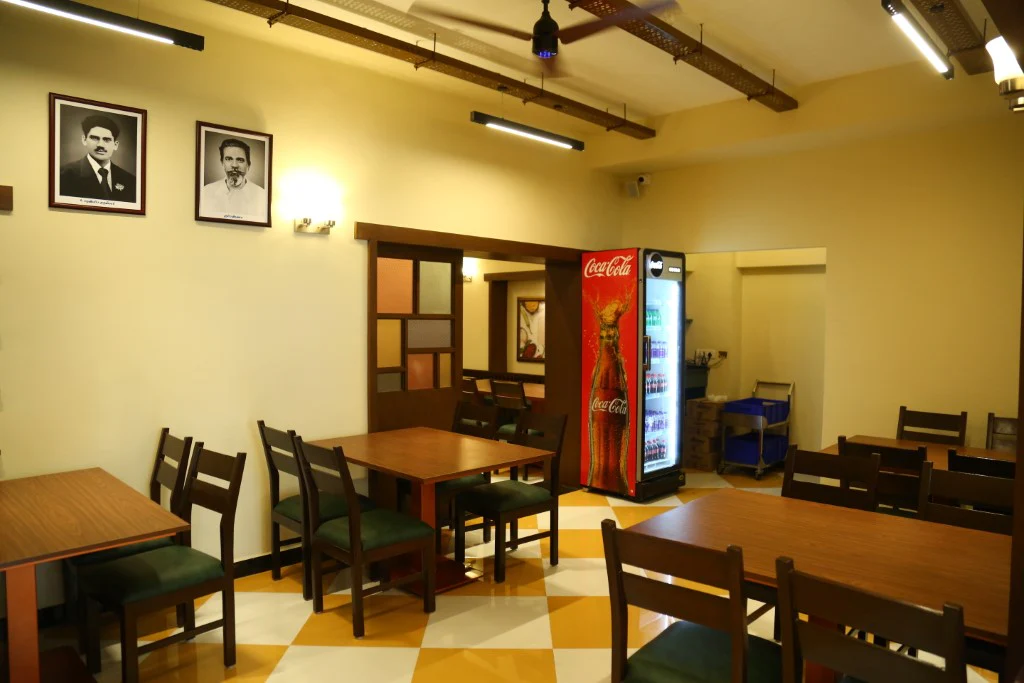
CorpCulture helps investors discover verified food franchise brands across multiple investment ranges—from ₹20 lakhs to ₹1 crore and above.


🔗 Explore curated food franchise opportunities:
https://corpculture.co/food-and-bevaragae/
Examples include:
- Low-cost entry brands like Biggies Burger, Roll Box, Red Box
- Medium investment brands such as Wang’s Kitchen and The Chocolate Room
- Scalable models including Junior Kuppanna and Rebel Foods
Step 4: Review Franchise Agreement and Fee Structure
Before applying formally, reviewing the franchise agreement is critical. This document outlines fees, obligations, territory rights, and exit clauses—areas first-time franchisees often overlook.
Expert review at this stage prevents long-term disputes and unrealistic expectations.
- Franchise fee and royalty structure
- Marketing and brand fund obligations
- Agreement duration and renewal terms
➡️ Comparing Food Franchise Fees: Which Brands Offer the Best ROI
Step 5: Apply and Complete Due Diligence
Once confident about a brand, the formal application process begins. This includes submitting financial details, background information, and proposed locations.
Franchisors evaluate applicants just as investors evaluate brands. Proper documentation and positioning improve approval chances.
- Application submission
- Brand interviews and approvals
- Location feasibility checks

Step 6: Setup, Launch, and Marketing Support
After approval, execution becomes the priority. This stage involves store setup, staff training, licensing, and launch planning. First-time franchisees often underestimate the coordination required here.
This is where end-to-end support significantly reduces stress and costly mistakes.
CorpCulture supports franchisees through:
- Offline setup and vendor coordination
- Online digital presence and branding
- Lead generation and local marketing strategies
Why Work with CorpCulture for Your Franchise Journey?
CorpCulture is a franchise consulting platform that guides both new and existing franchisees toward profitable and sustainable opportunities. Unlike brand-biased brokers, CorpCulture focuses on matching investors with franchises that align with their budget, goals, and market conditions.
From discovery to launch and beyond, CorpCulture provides complete end-to-end support.
- Franchise shortlisting & evaluation
- Agreement review & negotiation support
- Digital marketing & lead generation for your business
Conclusion
Knowing how to apply for a food franchise is only half the journey—choosing the right franchise with the right guidance determines long-term success. For first-time investors, structured decision-making, expert evaluation, and professional support reduce risk and improve profitability. With CorpCulture’s end-to-end franchise consulting and digital support, investors gain clarity, confidence, and a proven path to building a successful food franchise business.